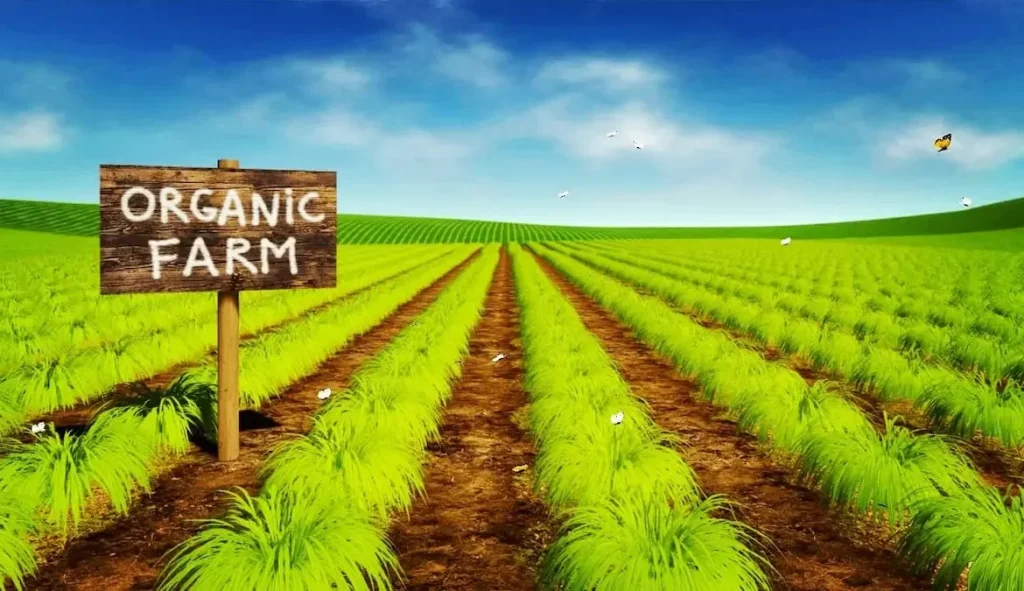
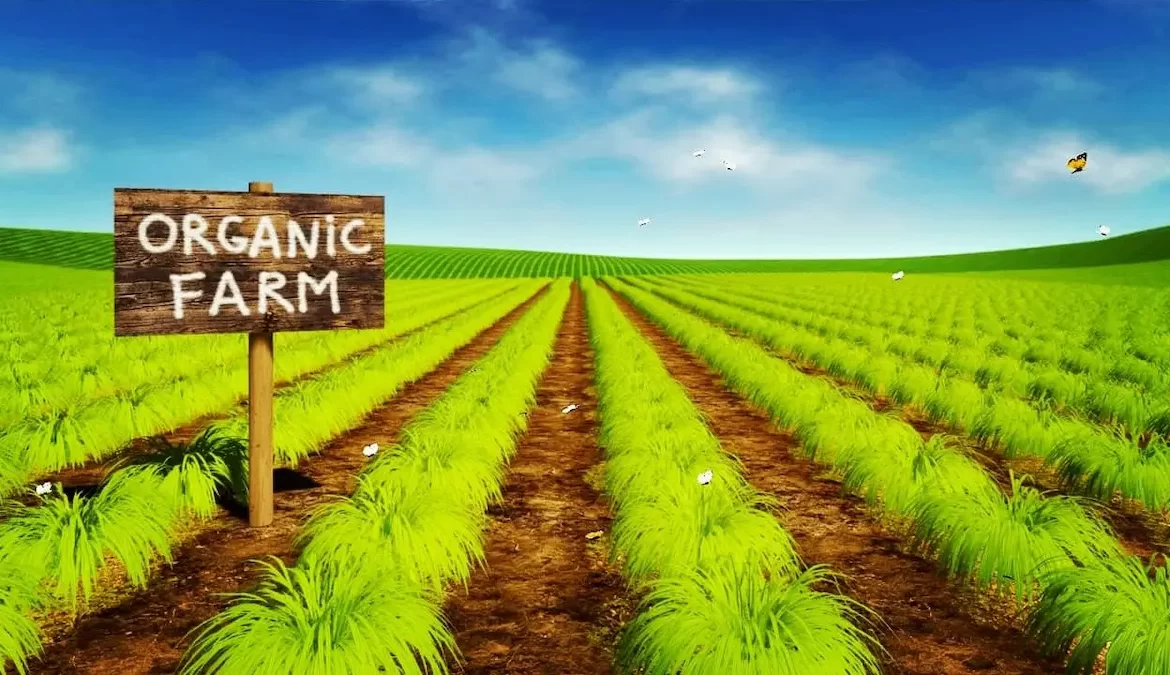
Organic farming is the production of crops and livestock without the use of synthetic chemicals and in organic fertilizers. Organic agriculture aims at the human welfare without any harm to the environment which is the foundation of human life itself. It refers to agricultural production systems used to produce food and fiber. Organic farming management relies on developing biological diversity in the field to disrupt habitat for pest organisms, and the purposeful maintenance and replenishment of soil fertility. It are not allowed to use synthetic pesticides or fertilizers.
Organic farming is a system of agriculture that uses natural and biodegradable inputs while deliberately avoiding the use of synthetic fertilizers.
History of Organic Farming in Nepal
Organic farming in Nepal has a rich history deeply rooted in traditional agricultural practices and cultural values. Organized movement of OA started since 1986 is the remarkable point of organic agriculture movement in Nepal. Institute for Sustainable Agriculture Nepal (INSAN), a national NGO initiated first and gradually several NGO started professionally in organic agriculture. Organic Farming first appeared as one of the priority sectors in the 10th five year plan (2003-2008).Currently OA is a major subject of discussion among scientists, development workers, farmers, traders, researchers and policy makers Here’s an overview of the history of organic farming in Nepal:
- Traditional Farming Practices: Nepali agriculture has a long history of sustainable farming practices passed down through generations. Traditional farming methods in Nepal often involved organic techniques such as crop rotation, mixed cropping, and the use of natural fertilizers like compost and animal manure.
- Influence of Buddhism and Hinduism: Religious beliefs, particularly Buddhism and Hinduism, have also played a significant role in shaping agricultural practices in Nepal. Many farmers adhere to principles of ahimsa (non-violence) and respect for all living beings, leading to the avoidance of chemical inputs and the adoption of organic farming methods.
- Modern Organic Movement: The modern organic farming movement in Nepal gained momentum in the late 20th century in response to concerns about environmental degradation, health risks associated with chemical pesticides and fertilizers, and the loss of traditional farming knowledge. Organizations such as the Organic Farming Association of Nepal (OFAN) and the National Organic Agriculture Movement in Nepal (NOAM-Nepal) have been instrumental in promoting organic agriculture and supporting farmers in adopting organic practices.
- Government Support: Recognizing the potential of organic farming to improve livelihoods, enhance food security, and protect the environment, the Nepali government has implemented various policies and programs to support organic agriculture. Initiatives such as the National Organic Agriculture Policy (2005) and the Organic Agriculture Promotion Program (OAPP) have provided funding, technical assistance, and training opportunities for organic farmers.
- Certification and Market Access: In recent years, there has been a growing emphasis on organic certification and market access for Nepali organic products. Certification bodies such as the Nepal Organic Certification Agency (NOCA) certify organic farms and products according to national and international organic standards, enabling farmers to access premium markets and command higher prices for their produce.
- International Collaboration: Nepal has also benefited from international collaboration and support for organic farming development. Organizations such as the International Federation of Organic Agriculture Movements (IFOAM) and development agencies like the Swiss Agency for Development and Cooperation (SDC) have partnered with Nepali stakeholders to promote organic agriculture, improve infrastructure, and strengthen institutional capacity.
- Challenges and Opportunities: Despite the progress made, organic farming in Nepal still faces challenges such as limited access to technical knowledge and resources, inadequate infrastructure, and market constraints. However, there are also significant opportunities for further growth and expansion, particularly with increasing consumer demand for organic products both domestically and internationally.
Advantages of Organic Farming in Nepal
- Increase long-term fertility of the soil.
- It helps in maintaining environment health by reducing the level of pollution.
- It reduces human and animal health hazards by reducing the level of residues in the product.
- It helps in keeping agricultural production at a higher level and makes it sustainable.
- It reduces the cost of agricultural production and also improves the soil health.
- It ensures optimum utilization of natural resources for short- term benefit and helps in conserving them for future generation.
- It not only saves energy for both animal and machine, but also reduces risk of crop failure.
- It helps in conservation of Natural resources (soil, water, energy etc.)
- It enhances soil productivity.
- It prevent damage to ecosystem (soil, water, atmospheric pollution)
- It reduce-prevent entry of toxicants in to the Food chain.
- It promotes exports of Organic foods, fiber.
- It generates on-farm rural employment in developing countries.
- Encourages- promotes adoption of self-sustaining production systems.
Disadvantages of Organic Farming in Nepal
- Lower Yields:
Organic farming typically yields lower crop quantities compared to conventional methods. This is primarily because organic farmers rely on natural fertilizers, which may not provide nutrients to crops as efficiently as synthetic fertilizers.
- Higher Labor Costs:
Organic farming often requires more manual labor for tasks such as weeding and pest control since chemical herbicides and pesticides are not used. This can lead to higher labor costs for farmers.
- Risk of Pest and Disease Damage:
Without the use of synthetic pesticides, organic crops are more susceptible to damage from pests and diseases. Controlling these issues using organic methods can be challenging and may result in crop losses.
- Limited Product Availability and Shelf Life:
Organic produce is often more expensive and has a shorter shelf life compared to conventionally grown produce. Limited availability and shorter shelf life can be significant disadvantages for both consumers and retailers.
- Higher Prices for Consumers:
Organic products generally come with a higher price tag due to the increased labor and production costs associated with organic farming. This can make organic foods less accessible to lower-income consumers.
- Certification Costs and Administrative Burden:
Obtaining organic certification can be a lengthy and expensive process for farmers.Also Compliance with organic standards requires detailed record-keeping and documentation, which adds to the administrative burden.
- Nutrient Imbalances and Soil Fertility Management:
Organic farming relies heavily on compost and organic matter to maintain soil fertility. However, ensuring nutrient balance and managing soil fertility can be complex and may require careful monitoring and adjustment.
- Land Requirement:
Organic farming often requires more land than conventional farming to achieve similar yields. This can be a significant drawback, especially in regions where land availability is limited or expensive.
- Transition Period:
Converting conventional farmland to organic status involves a transition period during which the land must be managed according to organic standards, but products cannot yet be labeled or sold as organic. This transition period can be financially challenging for farmers.
Future Prospective of Organic Farming in Nepal
The future of organic agriculture holds promising potential as the world increasingly recognizes the importance of sustainable agricultural practices. Here are some key perspectives on the future of organic farming:
- Growing Consumer Demand:
Consumer awareness of the environmental and health benefits of organic products is steadily increasing. Also As people become more conscious of their food choices, the demand for organic produce is expected to continue rising, driving market growth and expansion.
- Advancements in Technology:
While organic agriculture traditionally relies on natural methods, technological advancements are enhancing its efficiency and productivity. Innovations such as precision agriculture, biotechnology, and data analytics are being adapted to support organic agriculture practices, helping farmers optimize resource use and crop management.
- Research and Development:
Continued investment in research and development is crucial for the advancement of organic farming. Research initiatives focused on improving organic crop varieties, enhancing soil health, and developing sustainable pest and disease management strategies. It can further enhance the viability and effectiveness of organic farming systems.
- Policy Support:
Governments and international organizations are increasingly recognizing the importance of organic agriculture for promoting sustainable agriculture and food security. Also Supportive policies, subsidies, and incentives can encourage more farmers to adopt organic practices and facilitate the growth of organic markets.
- Integration with Conventional Agriculture:
There is growing recognition of the need for holistic approaches to agriculture that combine the principles of organic agriculture with conventional practices. Integrated farming systems that leverage the strengths of both organic . Also conventional methods can help address global food security challenges while minimizing environmental impacts.
- Expansion of Organic Farming Globally:
Organic agriculture is no longer confined to niche markets in developed countries. It is gaining momentum in emerging economies and developing regions where sustainable agriculture is increasingly prioritized. Also The expansion of organic farming globally presents new opportunities for farmers, businesses, and consumers alike.
- Climate Change Resilience:
Organic farming practices, such as soil carbon sequestration, crop diversification, and water conservation. It can contribute to climate change mitigation and resilience. As climate change impacts agriculture, the adoption of organic agriculture methods may become even more critical for building resilient food systems.
- Education and Knowledge Sharing:
Education and knowledge sharing initiatives play a crucial role in promoting organic farming practices among farmers and consumers. Training programs, farmer networks, and educational campaigns can raise awareness. About the benefits of organic farming and provide support for its adoption and implementation.
Limitation of Organic Agriculture in Nepal
- Small land holding
- Poor infrastructure facilities
- Lack of technology knowledge
- Convert organic farm
- Organic material is bulky in nature very difficult store and high price
- City garbage contain heavy metal, plastic bags, stones and needles.
- Bio control agents are available only for few selected insect pest.
- Complicated organic certification process and high fees cost.