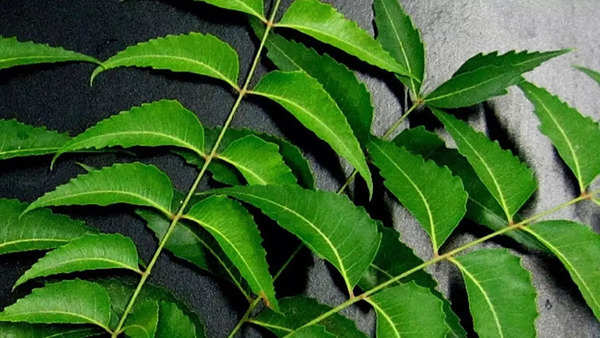

Azadirachta indica (Neem)
Azadirachta indica is commonly known as neem, is a versatile tree species native to the Indian subcontinent. Here are some of its uses and cultivation practices:
Uses:
- Medicinal Purposes: Azadirachta indica has a long history of medicinal use in traditional Indian Ayurvedic medicine. It is believed to have antibacterial, antifungal, antiviral, anti-inflammatory, and antiseptic properties. Neem extracts are used in various forms such as neem oil, neem leaves, and neem bark for treating a wide range of ailments including skin diseases, dental issues, digestive disorders, and more.
- Pest Control: Azadirachta indica extracts are widely used in organic farming as a natural pesticide. Neem oil disrupts the life cycle of many insects, pests, and pathogens, making it an effective and environmentally friendly alternative to synthetic pesticides.
- Cosmetics: Azadirachta indica oil is also used in cosmetics and personal care products such as soaps, shampoos, lotions, and creams due to its moisturizing and antibacterial properties.
- Animal Care: Neem products are used in veterinary medicine for treating various ailments in livestock and pets.
- Environmental Uses: Azadirachta indica tree parts, especially the leaves and twigs, are used for various environmental purposes such as soil improvement, erosion control, and as a natural fertilizer.
Cultivation Practices:
- Climate and Soil: Azadirachta indica trees thrive in tropical and subtropical regions with dry to semi-arid climates. They prefer well-drained sandy or loamy soils but can tolerate a wide range of soil types including poor, rocky, and saline soils.
- Propagation: Neem trees can be propagated from seeds, cuttings, or by air-layering. Seeds should be collected from mature fruits and sown directly in the field or in nursery beds.
- Planting: Planting should be done during the rainy season to ensure adequate moisture for establishment. Spacing between trees depends on the desired use and management practices but typically ranges from 4 to 10 meters apart.
- Watering: Neem trees are drought-tolerant once established but benefit from regular watering during the first few years after planting, especially in dry regions.
- Pruning: Pruning is necessary to shape the tree, remove dead or diseased branches, and promote healthy growth. It is typically done during the dry season.
- Pest and Disease Management: Neem trees are relatively resistant to pests and diseases. However, regular monitoring is essential, and appropriate measures should be taken if pests or diseases are detected.
- Harvesting: Neem trees start producing seeds within 3 to 5 years of planting. Seeds are harvested when fully mature, usually during the dry season. Leaves, bark, and other parts can be harvested as needed throughout the year
Taxus wallichiana ( Loth Salla)
Taxus wallichiana, commonly known as the Himalayan yew, is a species of yew native to the Himalayas and other mountainous regions of Asia. Here are its uses and cultivation practices:
Uses:
- Medicinal Purposes: Taxus wallichiana contains compounds called taxanes, which have anticancer properties. Paclitaxel, derived from Taxus species, is a widely used chemotherapy medication for treating various cancers, including breast, ovarian, and lung cancers.
- Ornamental Purposes: Due to its attractive evergreen foliage and dense growth habit, Taxus wallichiana is cultivated as an ornamental plant in gardens, parks, and landscapes.
- Wood: The wood of Taxus species is dense, durable, and fine-grained, making it valuable for crafting furniture, carvings, and other woodworking projects.
- Traditional Uses: In some cultures, Taxus wallichiana has traditional uses in herbal medicine for treating ailments such as rheumatism, fevers, and respiratory problems.
Cultivation Practices:
- Climate and Soil: Taxus wallichiana prefers cool, temperate climates with well-drained soil. It can tolerate a range of soil types, including sandy, loamy, or clay soils, as long as they are well-drained. It grows best in areas with cool summers and mild winters.
- Propagation: Taxus wallichiana can be propagated from seeds, cuttings, or by grafting. Seeds should be collected from ripe berries and stratified before sowing. Stem cuttings can be taken from semi-hardwood growth in late summer or early autumn.
- Planting: Planting should be done in well-prepared soil with good drainage. Spacing between plants depends on the desired use and management practices but typically ranges from 1.5 to 3 meters apart.
- Watering: Taxus wallichiana requires regular watering, especially during dry periods, to establish roots and maintain healthy growth. However, it is important not to overwater, as yews are susceptible to root rot in waterlogged soil.
- Light and Pruning: Taxus wallichiana prefers partial shade to full sun. Regular pruning helps maintain a compact shape and promote bushy growth. Pruning can be done in late winter or early spring before new growth begins.
- Pest and Disease Management: Taxus species are generally resistant to pests and diseases. However, they can be susceptible to issues such as scale insects, spider mites, and root rot in poorly drained soil. Regular inspection and appropriate measures, such as pruning and applying horticultural oils, can help manage pests and diseases.
- Harvesting: For medicinal purposes, Taxus wallichiana bark and leaves can be harvested as needed. However, it’s crucial to ensure sustainable harvesting practices to avoid overexploitation and damage to natural populations.
Sapindus mukorossi (Rittha रिठ्ठा)
It is commonly known as the soapberry tree or Indian soapberry, is a species of tree native to the Indian subcontinent and surrounding regions. Here are its uses and cultivation practices:
Uses:
- Natural Detergent: One of the primary uses of Sapindus mukorossi is as a natural detergent. The fruits of the tree contain saponins, natural surfactants that produce a lather when agitated in water. They have been traditionally used for washing clothes, dishes, and even as a body wash.
- Medicinal Purposes: Various parts of the soapberry tree, including the fruit, bark, and leaves, have been used in traditional medicine for treating a range of ailments such as skin conditions, digestive issues, and even as a contraceptive.
- Insecticidal Properties: The saponin-rich extracts from Sapindus mukorossi have insecticidal properties and are used in organic pest control formulations to repel or kill insect pests on crops.
- Cosmetics: Extracts from the soapberry tree are also used in cosmetics and personal care products due to their gentle cleansing properties and skin-soothing effects.
Cultivation Practices:
- Climate and Soil: Sapindus mukorossi thrives in tropical and subtropical climates. It prefers well-drained, sandy or loamy soils with a pH range of 6.0 to 8.0. The tree can tolerate a wide range of soil types but does best in fertile, moisture-retentive soils.
- Propagation: The soapberry tree can be propagated from seeds, cuttings, or air-layering. Seeds should be collected from ripe fruits and sown immediately after extraction.
- Planting: Planting should be done during the rainy season to ensure adequate moisture for establishment. Spacing between trees depends on the desired use and management practices but typically ranges from 5 to 10 meters apart.
- Watering: Young trees require regular watering to establish roots and promote healthy growth. Once established, the soapberry tree is drought-tolerant and only requires supplemental watering during prolonged dry periods.
- Pruning: Pruning is necessary to shape the tree, remove dead or diseased branches, and promote optimal fruit production. It is typically done during the dormant season.
- Pest and Disease Management: Sapindus mukorossi is relatively resistant to pests and diseases. However, regular monitoring is essential, and appropriate measures should be taken if pests or diseases are detected.
- Harvesting: Fruits are harvested when fully ripe, usually during the late summer or early autumn months. They can be collected by hand or by shaking the branches of the tree. The collected fruits are then dried and processed to extract the soap-like saponins.