
Valeriana jatamansi (Jatamansi)
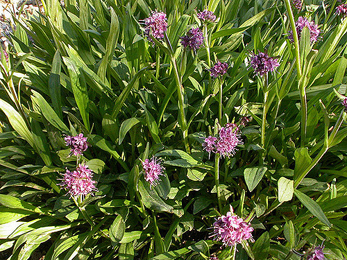
Valeriana jatamansi, commonly known as Indian valerian or jatamansi, is a perennial herb native to the Himalayas, India, and Nepal. It has been use for centuries in traditional medicine systems like Ayurveda and Unani for various purposes. Here are some common uses:
- Anxiety and Stress Relief: Valeriana jatamansi is often use as a natural remedy for anxiety and stress. It has calming properties that may help relax the mind and body, making it useful for promoting relaxation and improving sleep quality.
- Sleep Aid: Due to its calming effects, jatamansi is frequently use as a natural sleep aid. It may help individuals who suffer from insomnia or have difficulty falling asleep by promoting a sense of relaxation and reducing restlessness.
- Mood Regulation: Some studies suggest that jatamansi may have mood-regulating properties, potentially helping with conditions like depression and mood swings. It is believe to exert its effects by influencing neurotransmitters in the brain.
- Cognitive Function: In traditional medicine, jatamansi is also use to support cognitive function and improve memory. It may help enhance mental clarity and focus.
- Anti-inflammatory: Jatamansi contains compounds that possess anti-inflammatory properties. It has been use topically to soothe skin conditions like rashes, eczema, and inflammation.
- Antioxidant: Compounds found in jatamansi exhibit antioxidant activity, which can help protect cells from damage caused by free radicals. This antioxidant property may contribute to its overall health benefits.
- Digestive Health: In Ayurveda, Valeriana jatamansi is sometimes use to support digestive health. It may help relieve gastrointestinal discomfort and promote healthy digestion.
- Hair and Scalp Health: Jatamansi oil is use in traditional medicine to promote hair growth, strengthen hair follicles, and improve scalp health. It is often incorporate into hair care products like shampoos and hair oils.
Cultivation Practices
Cultivating Valeriana jatamansi, also known as Indian valerian or jatamansi, requires attention to specific environmental conditions and cultural practices. Here’s a general overview of cultivation practices:
- Climate and Soil Requirements: Valeriana jatamansi prefers cool, temperate climates with well-drained soil. It grows best in loamy or sandy loam soil with good organic matter content. The pH of the soil should be slightly acidic to neutral (pH 6.0-7.5).
- Site Selection: Choose a site with partial shade to full shade, as excessive sunlight can be detrimental to the plant. Valeriana jatamansi naturally grows in the understory of forests, so replicating similar conditions in cultivation is beneficial.
- Propagation: Jatamansi is propagate through seeds, root division, or rhizome cuttings. Seeds can be sown directly into prepared seedbeds or trays filled with well-draining soil. Rhizome cuttings or root division are other methods commonly use for propagation.
- Planting: If starting from seeds, sow them at a shallow depth (about 1/4 inch) in the soil and cover lightly with a thin layer of soil. Keep the soil consistently moist but not waterlogged. Transplant seedlings or divisions into their permanent growing positions once they have developed a few sets of true leaves.
- Spacing: Plant jatamansi seedlings or divisions with adequate spacing to allow for proper growth. Typically, spacing between plants ranges from 15 to 30 centimeters (6 to 12 inches), depending on the desired plant density.
- Watering: Valeriana jatamansi requires regular watering, especially during dry periods. However, it is important to avoid waterlogging, as excessive moisture can lead to root rot. Maintain consistent soil moisture levels by watering as needed.
- Fertilization: Incorporate organic matter such as compost or well-rotted manure into the soil before planting to provide essential nutrients. Additional fertilization may be necessary during the growing season, but avoid excessive nitrogen fertilizers, as they can promote leafy growth at the expense of root development.
- Weed Control: Keep the cultivation area free from weeds, as they can compete with jatamansi for nutrients, water, and space. Mulching around the plants can help suppress weed growth and conserve soil moisture.
- Harvesting: Jatamansi roots are typically harvest after two to three years of growth when they have reached maturity. Carefully dig up the roots, wash them to remove soil, and dry them thoroughly in a well-ventilated area away from direct sunlight. Proper drying is essential to prevent mold and preserve the quality of the roots.
- Pest and Disease Management: While Valeriana jatamansi is relatively resistant to pests and diseases, occasional pests like aphids or diseases like root rot may occur. Monitor the plants regularly and take appropriate measures, such as applying organic pesticides or improving drainage, if issues arise.
Rhododendron arboreum (Gurans)
Rhododendron arboreum, also known as the tree rhododendron or Gurans, is a species of rhododendron native to the Himalayas, Southeast Asia, and parts of South Asia. It is a prominent flowering tree with several traditional and modern uses:
- Ornamental Plant: Rhododendron arboreum is widely cultivate as an ornamental plant in gardens and parks for its spectacular clusters of bright red flowers. The tree adds aesthetic value to landscapes, especially when in full bloom.
- Traditional Medicine: In traditional medicine systems like Ayurveda and traditional Tibetan medicine, various parts of Rhododendron arboreum, including the flowers, leaves, bark, and roots, are use for their medicinal properties. It is believe to have diverse therapeutic effects, including anti-inflammatory, analgesic, and anti-diarrheal properties.
- Culinary Uses: In some regions, the flowers of Rhododendron arboreum are use to make beverages, jams, jellies, and syrups. The flowers can be infuse to make tea, which is enjoy for its unique flavor and potential health benefits.
- Religious and Cultural Significance: In several cultures in the Himalayan region, Rhododendron arboreum holds religious and cultural significance. It is often associate with festivals and rituals, and the bright red flowers symbolize purity, vitality, and the divine.
- Dye: The flowers of Rhododendron arboreum contain pigments that can be use as a natural dye. They yield shades of red and pink, which have been historically used to dye textiles and fabrics.
- Timber: While not a primary use, the wood of Rhododendron arboreum is occasionally use for making small wooden items or for fuel.
- Environmental Conservation: As a native species, Rhododendron arboreum plays a role in supporting biodiversity and ecosystem stability in its natural habitats. Conservation efforts may focus on preserving its habitats to protect the species and the ecosystems it inhabits.
Cultivation Practices
Cultivating Rhododendron arboreum, also known as the tree rhododendron or Burans, requires attention to specific environmental conditions and cultural practices. Here’s a general overview of cultivation practices:
- Climate and Soil Requirements: Rhododendron arboreum thrives in cool, temperate climates with high humidity. It prefers acidic, well-drained soil rich in organic matter. A pH level between 4.5 and 6.0 is ideal for optimal growth.
- Site Selection: Choose a planting site with partial shade to full sunlight. While the tree can tolerate some shade, it generally prefers locations with ample sunlight for proper flowering. Protection from strong winds is also beneficial, especially in regions with harsh climates.
- Propagation: Rhododendron arboreum can be propagate from seeds, cuttings, or layering. Seeds should be sow in a well-draining, acidic soil mix and kept consistently moist until germination. Softwood cuttings taken from healthy, young shoots can also be root in a suitable rooting medium.
- Planting: Plant Rhododendron arboreum seedlings or rooted cuttings in prepared planting holes with adequate spacing. Ensure that the planting depth matches the depth of the root ball or cutting, and backfill the hole with soil mixed with organic matter to promote healthy root development.
- Watering: Keep the soil consistently moist but not waterlogged, especially during the growing season and periods of drought. Water deeply and thoroughly, allowing the soil to dry slightly between watering sessions to prevent root rot.
- Mulching: Apply a layer of organic mulch, such as bark chips or compost, around the base of the tree to help retain soil moisture, suppress weeds, and regulate soil temperature. Maintain a mulch layer thickness of 2 to 4 inches, ensuring that it does not come into direct contact with the tree trunk.
- Fertilization: Rhododendron arboreum benefits from regular fertilization with a balanced, acidic fertilizer formulated for rhododendrons and azaleas. Apply fertilizer in early spring before new growth begins, following the manufacturer’s instructions regarding application rates and frequency.
- Pruning: Minimal pruning is usually necessary for Rhododendron arboreum, but occasional pruning to remove dead or diseased branches, improve air circulation, and maintain the desired shape may be beneficial. Prune after flowering to avoid removing potential flower buds.
- Pest and Disease Management: Monitor the tree regularly for signs of pests, such as aphids, scale insects, or caterpillars, and treat infestations promptly with appropriate methods, such as insecticidal soap or horticultural oil. Maintain good garden hygiene to reduce the risk of fungal diseases like powdery mildew or root rot.
- Winter Protection: In regions with cold winters, provide winter protection for Rhododendron arboreum by applying a thick layer of mulch around the base of the tree and wrapping the canopy with burlap or frost cloth to shield it from freezing temperatures and drying winds.
Curcuma angustifolia ( Haledo)
Curcuma angustifolia, commonly known as East Indian arrowroot or narrow-leaved turmeric, is a species of flowering plant in the ginger family (Zingiberaceae). It is native to Southeast Asia and is cultivate for both its culinary and medicinal uses. Here are some common uses of Curcuma angustifolia:
- Culinary Purposes: Like its close relative Curcuma longa (common turmeric), Curcuma angustifolia is use as a culinary spice. The rhizomes of the plant are harvest and ground into a bright yellow-orange powder, which is commonly use to add color, flavor, and aroma to various dishes, including curries, soups, stews, rice dishes, and sauces.
- Traditional Medicine: In traditional medicine systems like Ayurveda, Siddha, and traditional Chinese medicine, Curcuma angustifolia has been use for its medicinal properties. It is believe to have anti-inflammatory, antioxidant, antimicrobial, and digestive-stimulating properties. It has been use to alleviate digestive issues, support liver health, promote wound healing, and reduce inflammation.
- Skin Care: Curcuma angustifolia is use in skincare products for its potential benefits for the skin. It is believe to have antibacterial and anti-inflammatory properties that may help soothe irritated skin, reduce acne, and promote overall skin health. It is often use in face masks, creams, and lotions.
- Dye: The rhizomes of Curcuma angustifolia contain pigments that can be used as a natural dye. The vibrant yellow-orange color extracted from the rhizomes has been traditionally used to dye fabrics, textiles, and food products.
- Aromatic Purposes: The rhizomes of Curcuma angustifolia have a distinct aroma, which is sometimes used in perfumery and aromatherapy. The scent is warm, earthy, and slightly spicy, adding depth to fragrance blends and essential oil formulations.
- Ornamental Plant: Curcuma angustifolia is also cultivated as an ornamental plant for its attractive foliage and colorful flowers. The plant produces tall spikes of pink or white flowers with red or purple bracts, which add beauty to gardens and landscapes.
- Erosion Control: In addition to its culinary and medicinal uses, Curcuma angustifolia is sometimes used for erosion control in agricultural and landscaping applications. Its dense root system helps stabilize soil and prevent erosion on slopes and hillsides.
Cultivation Practices
Cultivating Curcuma angustifolia, also known as East Indian arrowroot or narrow-leaved turmeric, requires attention to specific environmental conditions and cultural practices. Here’s a general overview of cultivation practices:
- Climate and Soil Requirements: Curcuma angustifolia thrives in warm, humid climates with well-drained, loamy soil. It prefers a tropical or subtropical climate with temperatures between 20°C to 35°C (68°F to 95°F) and a rainfall of 1500 to 2000 mm annually. The soil should be slightly acidic to neutral (pH 6.0 to 7.0).
- Site Selection: Choose a planting site with partial shade to filtered sunlight. Curcuma angustifolia does not tolerate direct sunlight well and prefers dappled shade or indirect light. Protection from strong winds is also important, as excessive wind can damage the delicate foliage.
- Propagation: Curcuma angustifolia is typically propagated using rhizomes. Rhizomes can be obtained from mature plants or purchased from reputable nurseries. Plant rhizomes horizontally in well-prepared soil with the growing buds facing upwards.
- Planting: Plant rhizomes in shallow planting pits or trenches with a spacing of about 20 to 30 centimeters (8 to 12 inches) between plants and rows. Ensure that the soil is well-drained and amended with organic matter, such as compost or well-rotted manure, to improve fertility and moisture retention.
- Watering: Keep the soil consistently moist but not waterlogged, especially during the growing season. Water deeply and thoroughly, ensuring that the soil remains evenly moist. Avoid overwatering, as it can lead to root rot and other fungal diseases.
- Mulching: Apply a layer of organic mulch, such as straw or dried leaves, around the base of the plants to conserve soil moisture, suppress weed growth, and regulate soil temperature. Maintain a mulch layer thickness of 5 to 10 centimeters (2 to 4 inches), ensuring that it does not come into direct contact with the rhizomes.
- Fertilization: Apply organic fertilizers, such as compost or well-rotted manure, to the soil before planting to provide essential nutrients. Additional fertilization may be necessary during the growing season, using a balanced fertilizer formulated for flowering plants. Avoid excessive nitrogen, as it can promote leafy growth at the expense of rhizome development.
- Support: Depending on the cultivar and growing conditions, Curcuma angustifolia may benefit from staking or support to prevent the tall flower spikes from bending or breaking. Install stakes or support structures around the plants, being careful not to damage the rhizomes or foliage.
- Pest and Disease Management: Monitor the plants regularly for signs of pests, such as aphids, thrips, or mites, and treat infestations promptly with appropriate methods, such as insecticidal soap or neem oil. Maintain good garden hygiene to reduce the risk of fungal diseases, such as leaf spot or rhizome rot.
- Harvesting: Curcuma angustifolia rhizomes can be harvested when they reach maturity, typically after 8 to 10 months of growth. Carefully dig up the rhizomes using a garden fork or shovel, being careful not to damage the roots. Wash the rhizomes thoroughly and allow them to dry in a well-ventilated area before storage or further processing.
Great post on the medicinal benefits of Valeriana Jatamansi, Rhododendron Arboreum, and Curcuma Angustifolia! It’s fascinating to learn about how these plants are used in traditional medicine and their potential health benefits. I particularly enjoyed reading about their different applications and how they contribute to overall wellness. It would be interesting to see more studies on the effectiveness of these herbs in modern treatments. Thanks for sharing this valuable information!”