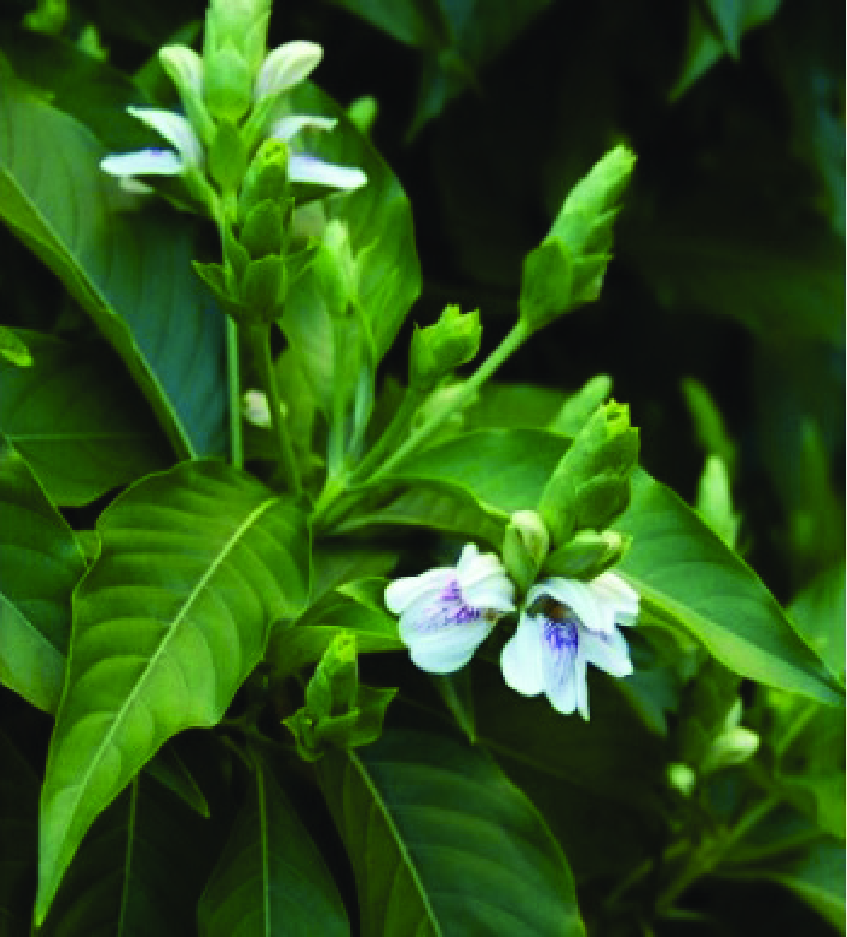
Justicia adhatoda ( Ashuro)
Justicia adhatoda, commonly known as Ashuro, Malabar Nut, or Vasaka, is a medicinal plant native to South Asia. It is value for its therapeutic properties and is use in traditional medicine systems like Ayurveda, Siddha, and Unani. Here are some cultivation practices for Justicia adhatoda:
- Climate and Soil Requirements: Justicia adhatoda thrives in tropical and subtropical climates with warm temperatures and high humidity. It prefers well-drained, loamy soil rich in organic matter. The pH of the soil should ideally be between 6.0 and 7.5.
- Site Selection: Choose a site with partial shade to full sunlight exposure for optimal growth. Avoid areas prone to waterlogging, as excessive moisture can lead to root rot.
- Propagation: Justicia adhatoda can be propagate from seeds or stem cuttings. Seeds should be sown in seed trays or nursery beds filled with well-drained potting mix. Stem cuttings can be taken from mature, healthy plants and planted directly in the soil or in pots filled with potting mix.
- Planting: If planting seeds, sow them thinly and cover lightly with soil. Keep the soil moist but not waterlogged until germination occurs. Once the seedlings are large enough to handle, they can be transplant into individual pots or directly into the field. Plant spacing should be about 30 to 45 centimeters apart.
- Watering: Justicia adhatoda requires regular watering, especially during dry periods. Keep the soil consistently moist but not waterlogged. Avoid overhead watering, as it can lead to fungal diseases.
- Fertilization: Apply organic fertilizers such as compost or well-rotted manure to the soil to provide nutrients for healthy growth. Supplemental feeding with balance fertilizers can also be done during the growing season, following package instructions for application rates.
- Weed Control: Keep the cultivation area free from weeds, as they can compete with adhatoda for nutrients and water. Manual weeding or the use of mulch can help suppress weed growth.
- Pruning: Regular pruning helps promote bushy growth and prevents the plant from becoming leggy. Prune back the stems after flowering to encourage new growth and maintain the desired shape.
- Pest and Disease Management: Keep an eye out for common pests such as aphids, whiteflies, and spider mites, as well as diseases like powdery mildew and leaf spot. Use organic pest control methods such as neem oil or insecticidal soap to manage pests, and practice good sanitation to prevent the spread of diseases.
- Harvesting: Justicia adhatoda leaves and flowers are harveste when the plant is in full bloom. Harvesting can be done by handpicking the leaves and flowers or by cutting the stems with pruning shears. Leave some foliage on the plant to support regrowth.
Tinospora cordifolia ( Gurjo )
Tinospora cordifolia, commonly known as Gurjo, Giloy or Guduchi, is a medicinal vine native to the Indian subcontinent. It is highly value for its therapeutic properties and is use in various traditional medicine systems like Ayurveda, Siddha, and Unani. Here are some cultivation practices for Tinospora cordifolia:
- Climate and Soil Requirements: Gurjo thrives in tropical and subtropical climates with warm temperatures and high humidity. It prefers well-drained, fertile soil with a pH ranging from 6.0 to 7.5. Sandy loam or loamy soil types are ideal for cultivation.
- Site Selection: Choose a site with partial shade to full sunlight exposure for optimal growth. Gurjo can tolerate a wide range of environmental conditions but performs best in a warm, humid climate. Avoid areas prone to waterlogging, as excessive moisture can lead to root rot.
- Propagation: Gurjo can be propagate from stem cuttings or seeds. Stem cuttings are the preferred method as they root easily and produce uniform plants. Take 6- to 8-inch-long cuttings from mature, healthy plants and plant them directly in the soil or in pots filled with potting mix. Seeds can also be sow in seed trays or nursery beds filled with well-drained potting mix.
- Planting: If planting stem cuttings, bury them horizontally in the soil with one or two nodes buried underground. Space the cuttings about 1 to 1.5 meters apart to allow for proper spread and growth. Water the newly planted cuttings thoroughly and keep the soil consistently moist until they establish roots.
- Watering: Gurjo requires regular watering, especially during dry periods. Keep the soil evenly moist but not waterlogged. Water deeply to encourage deep root growth, but avoid overwatering as it can lead to root rot.
- Support: Gurjo is a climbing vine that requires support for upward growth. Install trellises, stakes, or other support structures for the vines to climb on. Train the vines to grow upwards by gently tying them to the support as they grow.
- Fertilization: Apply organic fertilizers such as compost or well-rotted manure to the soil to provide nutrients for healthy growth. Supplemental feeding with balance fertilizers can also be done during the growing season, following package instructions for application rates.
- Pruning: Regular pruning helps promote bushy growth and prevents the vine from becoming overly dense. Prune back the vines as needed to maintain the desired shape and size.
- Pest and Disease Management: Keep an eye out for common pests such as aphids, mealybugs, and spider mites, as well as diseases like powdery mildew and leaf spot. Use organic pest control methods such as neem oil or insecticidal soap to manage pests, and practice good sanitation to prevent the spread of diseases.
- Harvesting: Gurjo stems and leaves can be harveste when the plant is mature, typically after about one year of growth. Harvesting can be done by cutting the stems with pruning shears or by handpicking the leaves. Leave some foliage on the plant to support regrowth.
Swertia chirayita (Chirato)
Swertia chirayita, commonly known as chirato, is a medicinal herb native to the Himalayan region and other parts of Southeast Asia. It is highly valued for its therapeutic properties and is used in traditional medicine systems like Ayurveda and traditional Chinese medicine. Here are some cultivation practices for Swertia chirayita:
- Climate and Soil Requirements: Chirata thrives in temperate to subtropical climates with cool temperatures and moderate humidity. It prefers well-drained, loamy soil with a pH ranging from 6.0 to 7.5. Sandy loam or clay loam soil types are suitable for cultivation.
- Site Selection: Choose a site with partial shade to full sunlight exposure for optimal growth. Chirata can tolerate a wide range of environmental conditions but prefers cooler temperatures and protection from intense sunlight. Avoid areas prone to waterlogging, as excessive moisture can lead to root rot.
- Propagation: Chirata can be propagate from seeds or by division of rhizomes. Seeds should be sown in prepared seedbeds or nursery trays filled with well-drained potting mix. Cover the seeds lightly with soil and keep the soil consistently moist until germination occurs. Rhizome divisions can be plant directly in the soil or in pots filled with potting mix.
- Planting: If planting seeds, sow them thinly and cover lightly with soil. Space the seeds or rhizome divisions about 20 to 30 centimeters apart to allow for proper spread and growth. Water the newly planted seeds or divisions thoroughly and keep the soil consistently moist until they establish roots.
- Watering: Chirata requires regular watering, especially during dry periods. Keep the soil evenly moist but not waterlogged. Water deeply to encourage deep root growth, but avoid overwatering as it can lead to root rot.
- Fertilization: Apply organic fertilizers such as compost or well-rotted manure to the soil to provide nutrients for healthy growth. Supplemental feeding with balance fertilizers can also be do during the growing season, following package instructions for application rates.
- Mulching: Mulching with organic materials such as straw or grass clippings can help conserve soil moisture, suppress weeds, and improve soil fertility. Apply a layer of mulch around the base of the plants, leaving some space around the stems to prevent rotting.
- Pest and Disease Management: Keep an eye out for common pests such as aphids, mealybugs, and spider mites, as well as diseases like powdery mildew and leaf spot. Use organic pest control methods such as neem oil or insecticidal soap to manage pests, and practice good sanitation to prevent the spread of diseases.
- Harvesting: Chirata leaves and stems can be harveste when the plant is mature, typically after about one year of growth. Harvesting can be do by cutting the stems with pruning shears or by handpicking the leaves. Leave some foliage on the plant to support regrowth.