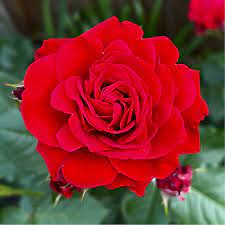
Rose is woody perennial plants; native to Asia. It is the queen of flowers, most fascinating and top commercial cut flower in the world.It has most delightful fragrant and long-lasting flowers used for garlands, bouquets, loose and singly cut flowers, and flower vases to all garden flowers as a symbol of love.
In Nepal, it ranks first among cut flowers, growing mostly in Kathmandu valley and its adjoining districts. Hybrid Tea type is the most commonly grow rose for cut flower. Most cut roses are hybrids European varieties, grown in plastic houses in temperate climate; while in semi-open condition in warmer climates.
Botany
Family: Rosaceae
Genus: Rosa spp.
Varieties
1. Hybrid Tea
- Most Popular Group
- Hybrid Perpetual X Tea Roses
- Flower Bud & Spike longer & beautiful
- Flower: Open slowly hence kept in vessels for longer time
- Color: Red, orange, yellow and some other dark colors are most preferred in the market
- Other Varieties
Super star, Raja Ram Mohan Roy, Picture, Sonia, Blue moon, Africa star, Careless love, Kiss of fire, Madhosh, First prize, The doctor, Happiness
2. Polyantha
- Small plants & flowers borne on cluster
- Popular varieties: Anjani, Rashmi, Nartaki, Priti, Swati
3. Minature
- Baby or mini rose
- Flowers used in flower arrangement
- Varieties: Cri-cri, Little sunset
4.Climber
- Branches are soft and spread like climber
- Flower borne terminally at branches in small clusters
- Uses: Raised over the pergolas and the walls
Popular varieties: Sympathie, Breath of life, prosperity
Climate
Typically grow in warm climates, and flower in the summer months. They prefer mild temperate climates that can’t stand too hot or too cold. The optimum temperature ranges between 15 °C and 28 °C, however it would be better 15 to 18 °C for night and 20 to 25 °C for day temperatures. Roses are highly versatile group of flowers that thrive in different climates.
The commercial European varieties grow well in temperate climate under good winter protection. But, when temperature rises to over 30 °C during summer, it will lead to stress and extreme low humidity levels.Under this situation, it is advised to keep down the temperature as low as possible by opening the ventilation in controlled climatic condition. The tropical climate of Terai region, enjoying long and hot humid summers would be appropriate for a number of rose species, specifically; China-origin roses thrive well. Most of the modern roses that originated from Europe do well in temperate climate; however they do not in harsh winters. The regions of prolonging harsh winter frosts are inappropriate for rose that will kill most rose varieties.
Light
Light is an important factor for growth as this flower needs full sunlight and good air circulation in growing locations. Roses require about six hours of direct sunlight a day. However, the morning sun is preferable to the afternoon which helps to dry the leaves quicker, reducing the potential for disease. Shade in the afternoon is a plus as it helps to prolong flower quality. Too little sun or too much wind exposure can also affect budding. Dry and hot wind damages plants causing water stress. An overly shaded area prevents the plant from producing optimum foliage and flower buds.
If they get less light, the plants won’t bloom as well and will be more susceptible to attack from pests and diseases. Rose fails to open in moist, foggy zones, so a clear and dry-sunny weather condition is very much important during flowering. The color development may result in dullness with the lack of heat and light. The humid weather is inappropriate as it attracts many fungal diseases, powdery mildew particularly.
Soil
An ideal soil is fertile and loamy, however, they grow in a wide range of soils, but a relatively fertile and sufficiently loose with adequate organic matter would be better. They prefer well-drained soil as poorly drained soils and wet feet spell death for roses.
A soil pH of 5.5 – 6.0 is optimum. They need good soil preparation with the addition of well-rotted manure or compost before planting to help ensure strong growth. Spring is the time to begin soil preparation. Most importantly, soil should be free from nematodes and soil diseases.
Propagation
Seeds: While growing roses from seeds is possible, it’s not commonly done because most commercially available rose varieties are hybrids, and the seeds may not produce plants with the same characteristics as the parent plant. If you do choose to grow roses from seeds, you’ll need to collect seeds from rose hips (the fruit of the rose plant), stratify them (expose them to cold temperatures to mimic winter conditions), and then plant them in a suitable growing medium.
Cuttings: Propagating roses from cuttings is one of the most common methods. Take cuttings from a healthy rose plant during its dormant season (usually in late fall or winter). These cuttings are typically 6 to 8 inches long and come from new growth. Remove the leaves from the bottom half of the cutting, dip the cut end in rooting hormone, and then plant it in a pot filled with a well-draining growing medium. Keep the cutting moist and in a warm, humid environment until it roots, which can take several weeks. Once rooted, you can transplant the cutting into the garden.
Grafting and Budding:
Grafting is a technique used to propagate roses where you join a bud or stem from one plant (the scion) onto the rootstock of another plant. This method is often used for propagating hybrid roses because it ensures that the new plant will have the same characteristics as the parent plant. Grafting requires some skill and knowledge of the process, but it’s a common method used in commercial rose production. T-budding is majorly used.
Layering
It is Limited to Climbing and Rambling roses. Rose is propagate either by Ground Layering or Air layering.
Nutrition
Roses, especially the repeatedly flowering varieties, need a generous supply of nutrients regularly throughout the growing season. Slow-release or organic fertilizers will be the most effective, however foliar spraying are also valuable for a quick effect. Nutrient deficiencies can result in small flowers, fewer buds and overall poor growth. Roses generally need fertilizing in spring after the leaves grow
in, and then after each blooming flush. Stop feeding the plants about six weeks before frost; otherwise, they produce tender new growth that suffers from winter damage. When creating a rose bed, apply about 2” – 4” of organic matter before tilling. Phosphorous
is also beneficial for root development and getting well-establish. Bone meal is a good
organic source of phosphorous and can be add with 40 grams per plant.
Irrigation
Roses need a steady supply of moisture to keep them healthy and blooming. So it is important to water them deeply. This encourages their roots to extend farther down where moisture stays longer. While watering, a soaker hose is appropriate not to keep leaves wet because wet condition encourages most diseases, so better to avoid watering with a sprinkler. However, overwatering or poorly drained soils may lead to root disease and nutritional deficiencies. Depending on the time of year, irrigation frequency is schedule but
regular watering is essential to ensure adequate moisture. Mulching with organic matter is a very important part of rose growing that helps to conserve moisture,keeping the ground cool and feeding the microorganisms in the soil.
Hybrid teas are likely to considerable damage during winter frost. They must go completely dormant. To accomplish this, stop fertilizing early enough so growth slows down. No fertilizer should be apply after August till early spring.
Care and management
The basic practices for care and management to grow quality flowers include
regular irrigation and fertigation, pruning, bending, removing suckers, controlling pests and diseases, climate control, and weeding.
Pest management
- Aphids (Macrosiphum rosae)
Spraying 0.1% Malathion or Metasystox (0.1-0.2%) or Rogor (0.1-0.2%)
- Red scale (Lindigapsis rosae)
Spraying Malathion (0.1%) or Parathion (0.25%) in April and again in October
- Chaffer beetles (Onycetonia varsicolor)
Controlled by Monocrotophos (1ml/l) or Dimethoate (1.5 ml/l)
Disease Management
- Dieback (Diplodia rosarum)
Bordeaux paste, application of optimum dose of fertilizer and by facilitating proper drainage or spray of 3g/ litre of Copper oxychloride (50%)
- Black spot (Diplocarpon rosae)
Spraying Carbendazim (1g/litre of water) or Captan (0.2%) fungicide at fortnightly intervals
- Powdery mildew (Sphaerotheca pannosa var. rosae)
80% Sulphur or spraying 0.1% Kerathane fungicide at fortnightly interval